
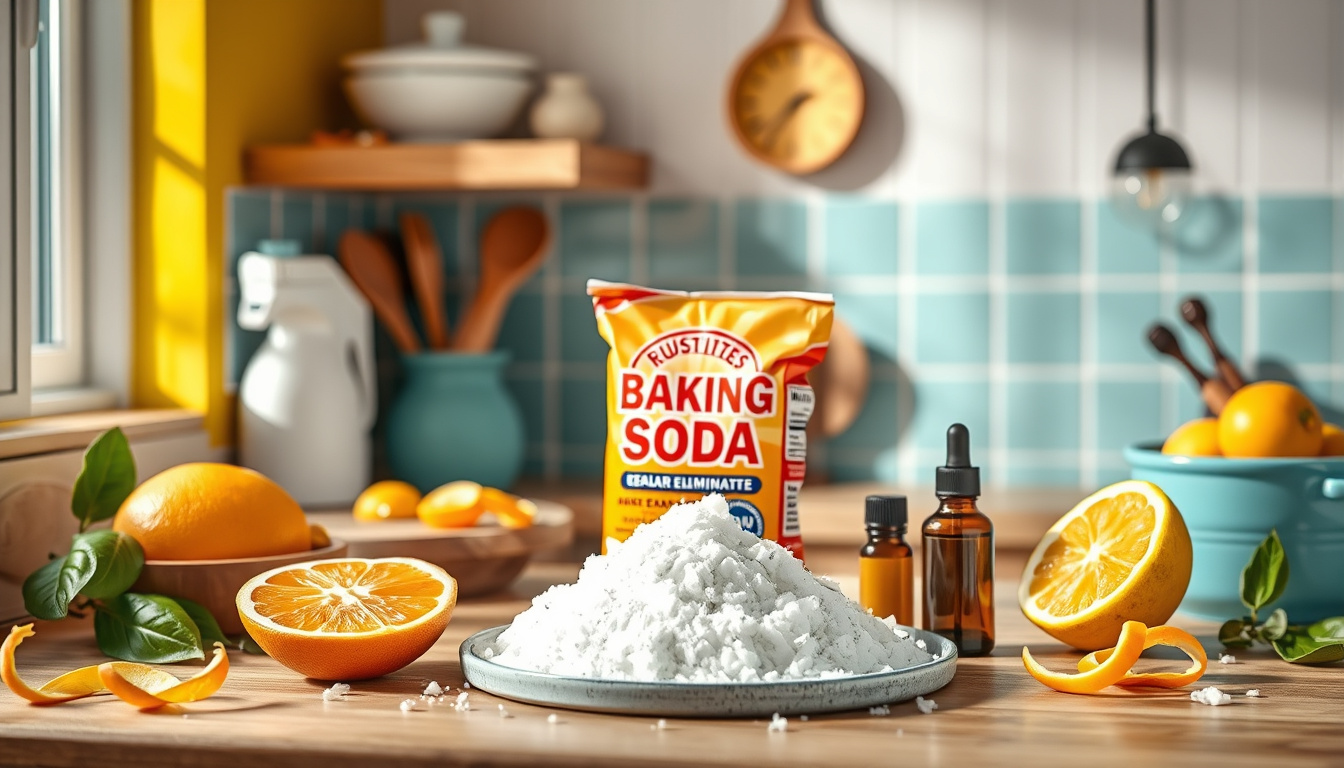
Unpleasant odors in your home can be stubborn and frustrating, but what if a simple, natural product you already own is all you need to restore freshness? Baking soda, also known as sodium bicarbonate, is a versatile household staple celebrated for its ability to neutralize odors safely and effectively. This article explores how baking soda works to absorb odors, the best ways to use it around your home, and tips to maximize its deodorizing power naturally.

How Does Baking Soda Absorb Odors?
The secret behind baking soda’s odor-removing ability lies in its chemical nature. Baking soda is alkaline (a base), which allows it to neutralize acidic odor compounds commonly found in household smells—such as those from spoiled food, pet odors, and cooking smells. When baking soda comes into contact with these smells, it reacts chemically, neutralizing or altering the odor-causing molecules into less offensive or odorless forms.
Contrary to popular belief, baking soda doesn’t simply "absorb" odors like a sponge; instead, it reacts with airborne molecules in the air, particularly those with acidic properties, changing their chemical structure so they no longer smell bad. This reaction typically requires some time—usually at least 24 hours—to be effective, though heavily odorous areas may need several days for full neutralization.
Practical Ways to Use Baking Soda to Eliminate Odors
The effectiveness of baking soda depends on how you use it and the type of odors you’re targeting. Here are proven methods for different areas in your home:
1. Deodorize Carpets, Rugs, and Upholstery
- Sprinkle a generous layer of baking soda on carpets, rugs, or upholstery.
- Let it sit for about an hour or longer to allow the baking soda to react with odors trapped in the fibers.
- Vacuum thoroughly to remove the powder along with the neutralized odors.
2. Freshen Refrigerators and Closets
- Place an open container or a vented jar of baking soda inside your fridge or closet.
- Baking soda particles disperse into the air inside these enclosed spaces and neutralize sour or musty smells.
- For better efficiency, use products with larger openings or mesh-covered containers to expose more baking soda surface area.
- Refresh or replace the baking soda every one to three months depending on odor levels, although many experts say you only need to replace it when it has visibly reacted or clumped.
3. Neutralize Garbage Cans and Trash Bins
- Sprinkle baking soda at the bottom of your garbage cans to combat odors from decomposing waste.
- Replenish regularly to maintain freshness.
4. Deodorize Shoes, Pet Bedding, and Mattresses
- Shake baking soda directly into shoes or sprinkle over pet beds and mattresses.
- Allow the powder to absorb smells for a few hours or overnight.
- Vacuum or shake out the excess baking soda afterward.
5. Use in Laundry for Odor Control
- Add half a cup of baking soda to your laundry to reduce odors in clothing, towels, and linens, enhancing the freshness without harsh chemicals.
Enhancing Baking Soda’s Odor-Fighting Abilities
While baking soda works well on its own, you can boost its effectiveness by combining it with other natural odor neutralizers:
-
Essential Oils: Adding a few drops of essential oils such as lavender, eucalyptus, or lemon to baking soda adds a subtle, pleasant scent without overpowering.
-
Vinegar or Citrus Peels: These can complement baking soda’s neutralizing effects, especially for tough or lingering smells in kitchens and bathrooms.
-
Enzyme Cleaners: For stubborn organic odors (such as pet urine), use baking soda to neutralize initial odors, followed by enzyme cleaners to break down compounds fully.
How Often Should You Replace Baking Soda?
There is no strict rule for replacing baking soda used for deodorizing. Unlike baking powder, baking soda only loses its odor-neutralizing power after it chemically reacts with odor molecules. This means if the powder remains dry and free-flowing, it can continue to work indefinitely. However, for convenience or hygiene, many prefer to refresh the baking soda every month or so, especially in refrigerators or odor-prone spaces.
Why Choose Baking Soda?
Baking soda is a gentle, chemical-free, and affordable option for odor control. It avoids the synthetic fragrances and harsh chemicals found in many commercial deodorizers, making it safe to use around children, pets, and food. It’s also incredibly versatile, serving multiple purposes beyond odor absorption, including cleaning and baking.
In Summary
Baking soda is a natural, effective way to tackle unpleasant odors in your home. Its alkaline nature chemically neutralizes acidic, stinky molecules, refreshing everything from carpets to refrigerators. By sprinkling, placing open containers, or combining baking soda with complementary natural remedies, you can maintain a clean, fresh-smelling environment effortlessly. Best of all, baking soda is safe, inexpensive, and widely available—making it a household essential for odor elimination.
Embrace baking soda as your secret weapon against odors, and enjoy a naturally fresher home every day!