
Keeping a kitchen organized and tidy is a goal for many homes, yet one common challenge is managing spills that lead to mess and frustration. Utilizing sealed containers is a practical and effective strategy to prevent spills, maintain food freshness, and keep your pantry pristine. This article explores the benefits, materials, and best practices for using sealed containers in kitchen organization.

Why Use Sealed Containers?
Sealed containers are specially designed to create an airtight and watertight barrier that prevents contents from leaking or spilling. They offer several benefits in kitchen organization:
- Prevent Messes: A secure seal ensures that liquids, sauces, or loose ingredients do not leak and cause stains or sticky surfaces.
- Maintain Freshness: Airtight seals impede air exposure, preserving food texture, flavor, and extending shelf life.
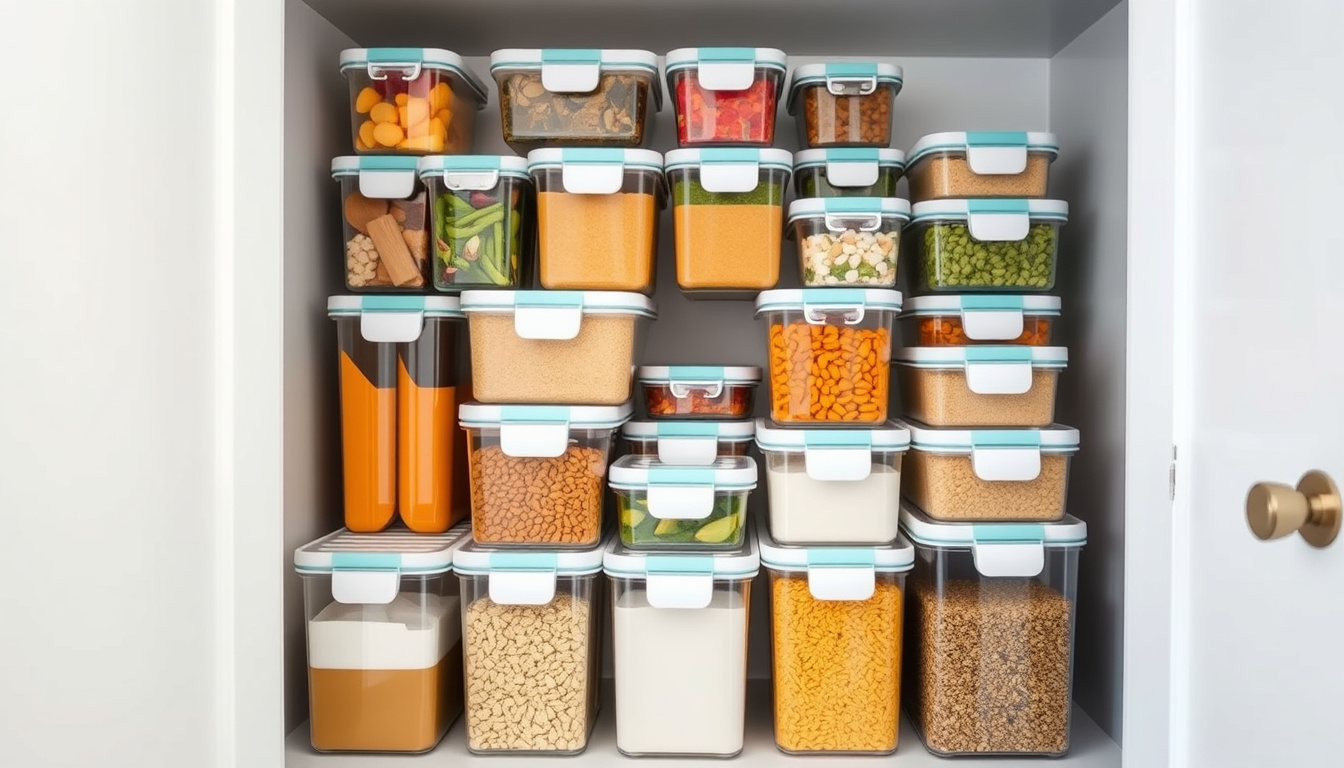
- Improve Storage Efficiency: Containers come in stackable designs, aiding in maximizing limited pantry or fridge space.
- Simplify Transportation: Leak-proof containers allow you to safely transport foods for work, school, or picnics without worries of spills.
Understanding how sealed containers work and choosing the right ones can transform how you organize your kitchen.
What Makes a Container Truly Leak-Proof?
Not all containers labeled “sealed” perform equally. Effective spill prevention depends on key design features:
- High-Quality Seals: Most reliable containers use silicone or rubber gaskets shaped to snugly fit the lid and container rim, forming an airtight and watertight barrier. Thin or brittle gaskets are prone to failure, causing leaks.
- Secure Locking Mechanisms: Snap-on, latch, or clamp systems that firmly fasten the lid prevent accidental openings, especially when containers are jostled or inverted.
- Durable Construction Materials: Containers made from sturdy plastic, glass, or stainless steel resist warping or cracking that can compromise seals over time.
A truly leak-proof container prevents spills even when upside down and shaken, unlike leak-resistant types that may only withstand minor drips.
Choosing the Right Container Material
Different materials offer unique advantages depending on your needs:
- Glass Containers: Ideal for non-portable storage of leftovers or acidic foods. They resist staining and odor retention but are heavier and fragile. Best paired with premium sealing lids.
- BPA-Free Plastic Containers: Lightweight and durable options perfect for packed lunches and daily use. Quality matters, as cheaper plastics may stain or retain odors and have higher leak risks.
- Stainless Steel Containers: Highly durable and rust-resistant, stainless steel containers are excellent for hot foods and rough handling. They often incorporate strong locking mechanisms for superior leak prevention.
- Hybrid Containers: Combining materials, such as stainless steel bodies with silicone-sealed lids, these provide enhanced performance and versatility.
Consider your lifestyle—portability, food types, temperature use—when selecting materials to ensure spill prevention and practicality.
Best Practices for Spill Prevention Using Sealed Containers
- Always Close Containers Fully: Confirm lids are properly aligned and locked before storing or transporting.
- Select Containers According to Food Type: Soups and liquids require robust seals and locking mechanisms, while dry goods benefit from airtight but simpler closures.
- Use Secondary Containment: In the event of a rare leak, placing containers inside baskets or trays can catch spills before they spread, protecting shelves and surfaces.
- Inspect and Maintain Containers Regularly: Check gaskets for wear, cracks, or brittleness, and replace when necessary to maintain leak-proof integrity.
- Invest in Multi-Compartment Containers for Meal Prep: Dividers help separate foods and prevent mixing, reducing mess and odors.
Additional Tips to Keep Your Pantry Pristine
- Organize containers by size and frequency of use to reduce handling and accidental spills.
- Label containers clearly to avoid unnecessary opening and ensure you’re grabbing the right food.
- Clean containers immediately after spills to prevent sticky residue that attracts pests.
- Consider the environmental impact by choosing durable, reusable sealed containers over disposable options.
Conclusion
Sealed containers are essential tools in mastering kitchen organization. By understanding their function, selecting containers with high-quality seals and locking systems, and matching choices to your needs, you can effectively prevent spills and maintain a clean, orderly pantry. Incorporating these strategies not only enhances the aesthetics of your kitchen space but also promotes food safety and convenience in everyday meal preparation and storage.
Adopt sealed containers as your go-to solution for spill prevention and unlock a tidier, more efficient kitchen environment.