
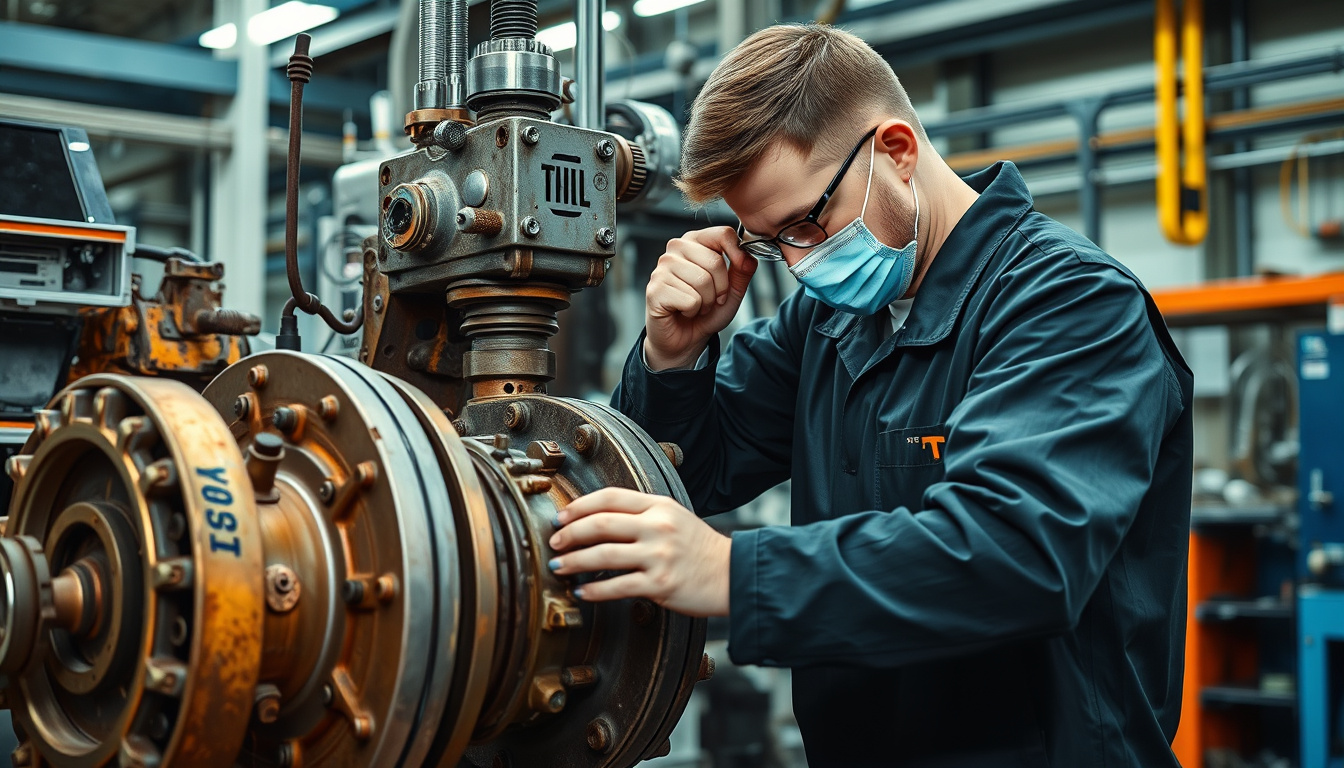
Maintaining equipment and vehicles to keep them running smoothly and safely is essential for both longevity and performance. Central to this upkeep is the timely replacement of worn-out parts. Whether it’s heavy machinery, consumer vehicles, or specialized tools, handling part wear proactively can prevent costly breakdowns, enhance efficiency, and ensure user safety.
Why Prompt Replacement of Worn-Out Parts Matters
Over time, components in any mechanical system degrade due to wear and tear, exposure to elements, or regular use. Ignoring these signs often leads to cascading failures that cause irreversible damage or operational hazards.
Key benefits of prompt replacement include:
- Maintained Performance: Fresh parts restore original function and efficiency.
- Increased Safety: Worn brake pads, faulty filters, or dead batteries can pose serious safety risks.
- Cost Savings: Preventing minor issues from escalating reduces expensive repairs.
- Extended Equipment Life: Consistent maintenance maximizes usable lifespan.
- Regulatory Compliance: Certain industries require adhering to parts replacement to meet legal standards, such as export controls or safety audits.
Common Equipment Parts That Need Routine Attention
Understanding which parts are prone to wear helps in planning maintenance schedules effectively.
For Vehicles and Consumer Equipment:
- Fluids: Regular oil changes and fluid refills (coolant, brake fluid, transmission fluid) are critical. For example, engine oil should be changed approximately every 3,000 to 5,000 miles, and brake fluid every three years.
- Filters: Air, oil, fuel, and cabin air filters prevent contaminants from entering the engine or interior. Regular replacement (air filters every 15,000 to 30,000 miles) ensures optimal performance.
- Brake Pads: These wear down gradually and should be replaced typically every 10,000 to 20,000 miles or immediately if you hear screeching noises.
- Tires: Tire tread wear affects grip and safety. Regular rotation every 5,000 to 7,500 miles helps equalize wear and prolong tire life (usually about six years).
- Spark Plugs: Worn plugs cause misfires; replacement every 20,000 to 40,000 miles is recommended.
- Batteries and Alternators: Car batteries often last 4-5 years, but their health is linked to alternator function, which may last up to 10 years.
For Industrial or Export-Controlled Equipment:
- One-for-One Parts Replacement: Regulations typically allow replacing defective or worn parts with exact matches without needing additional licensing, provided original export conditions are met. It is crucial these replaced parts are either destroyed or returned as stipulated by regulatory bodies to remain compliant.
- Authorized Use: Replacement parts must not upgrade or alter the equipment’s original function, especially in controlled or regulated equipment scenarios.
Strategies for Efficient Parts Replacement

Proactive Maintenance Over Reactive Repairs
Addressing worn components before failure avoids downtime. Scheduled inspections and maintenance can identify parts nearing the end of their service life.
Cost-Saving Tips
- Buy Parts Online: Purchasing parts from reputable online retailers can be significantly more affordable than acquiring them via repair shops, sometimes saving hundreds of dollars. Just ensure parts come with appropriate warranties and return policies.
- Labor vs. Parts: Consider buying parts yourself and paying mechanics only for labor to reduce costs. Mechanics may charge substantial markups on parts.
- Regular Monitoring: Pay attention to vehicle or equipment signals such as sounds, odors, vibrations, or performance drops.
Conclusion
Promptly replacing worn-out parts is an essential practice to keep any equipment or vehicle operating safely and efficiently. Proactive part replacement minimizes unexpected breakdowns, reduces repair costs, ensures compliance with regulations when applicable, and extends the useful life of your assets. Whether you rely on a professional mechanic or manage equipment maintenance yourself, staying vigilant and timely in replacing components safeguards your investment and promotes overall reliability.
References:
- eCFR Title 15 Part 740.10 — License Exception for Servicing & Replacement of Parts
- Naylor’s Auto Repair — Routine Car Part Replacements and Maintenance Schedules
- Community Tips on Cost-Effective Vehicle Maintenance from r/Frugal and other online forums