
Ice buildup in freezers can significantly reduce their efficiency, decrease storage capacity, and even compromise the safety of stored food. Promptly defrosting ice buildup not only restores operational performance but also extends the life of your appliance. This article consolidates expert advice and practical tips on how to defrost ice buildup efficiently and safely, helping you maintain an optimal freezer environment.
Understanding Ice Buildup and Its Causes
Ice buildup in freezers is primarily caused by moisture entering the unit, which freezes and accumulates over time. Common factors that contribute to frost and ice include:
- Frequent Door Opening: Every time you open the freezer, warm humid air enters, introducing moisture.
- Storing Hot or Warm Food: Placing food into the freezer before it has cooled down traps moisture inside.
- Faulty Door Seals: A compromised seal allows warm air to leak in, accelerating frost formation.
- Improper Temperature Settings: Setting temperatures too low or too high can exacerbate ice buildup.
- Empty Freezer: More air circulation inside an understocked freezer leads to faster frost accumulation.
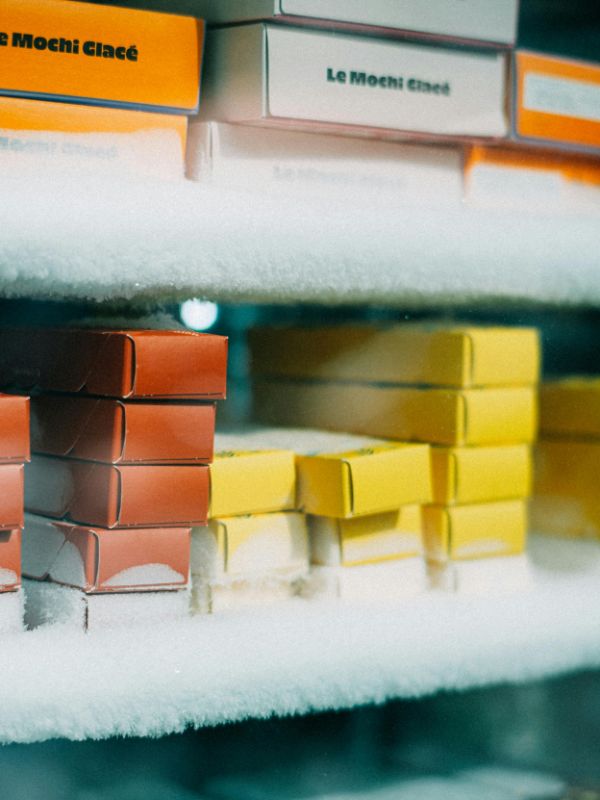
Recognizing these causes helps in both preventing and tackling ice buildup effectively.
Safety First: Preparing for Defrosting
Before you start the defrosting process, follow these key preparations to ensure safety and prevent damage:
- Unplug the Freezer: Always disconnect power to avoid electrical hazards.
- Remove All Food: Transfer perishables to a cooler or insulated bag to avoid spoilage.
- Protect the Floor: Lay towels or plastic sheets beneath the freezer to catch melting water and prevent damage.
- Remove Drawers and Shelves: This facilitates thorough cleaning and quickens the defrosting process.
Effective Methods to Defrost Ice Buildup
1. Natural Thawing
The simplest and safest method involves leaving the freezer door open and allowing the ice to melt at room temperature. Though this approach requires patience—sometimes several hours—it completely avoids risk of damage. Mopping up excess water regularly helps manage the melt.
2. Using Warm Steam
Place bowls or pans of hot water on the freezer shelves and close the door. The steam softens the ice, allowing it to be wiped away or scraped gently after about 30 minutes. To protect shelving, place a cloth under the pans and refresh the water periodically.
3. Hair Dryer or Heat Gun (With Caution)
A portable hair dryer can accelerate defrosting by directing warm air at icy surfaces. Key precautions include:
- Avoiding contact between the heat source and freezer walls to prevent warping or melting.
- Keeping electrical devices away from water.
- Moving the dryer constantly to prevent overheating.
4. Fan-Assisted Air Circulation
Using a fan to blow warm, dry air into the freezer can expedite ice melting, especially in warm ambient conditions. Position the fan outside with the freezer door ajar for continual airflow.
5. Scraping Ice Safely
Use plastic scrapers or wooden spatulas to gently chip away at softened ice. Metal tools or sharp objects are discouraged as they can damage interior surfaces and insulation.
6. Specialized Techniques
- Hot Cloth with Rubbing Alcohol: Applying a warm, alcohol-moistened cloth can target thin ice layers for faster melting.
- Wet/Dry Vacuum: Using a vacuum in blow mode heats and loosens ice, then switching to suction mode removes meltwater and debris efficiently.
7. Avoid Risky Practices
- Do not use sharp tools like knives or chisels that risk puncturing the freezer interior.
- Avoid pouring boiling water directly on ice as it may cause thermal shock or damage and poses burn hazards.
Post-Defrost Cleaning and Maintenance
Once the ice has fully melted:
- Clean the Interior: Use a solution of warm water and baking soda to wipe down the freezer. This removes odors and residue.
- Dry Thoroughly: Prevent immediate re-freezing of moisture by drying the surfaces completely.
- Check Seals and Door Closure: Inspect and replace faulty door gaskets to ensure airtight sealing.
- Set Correct Temperature: Maintain the freezer at about -18°C (0°F) for optimal freezing and frost prevention.
- Organize Contents: Keep the freezer well-stocked but not overcrowded and label items clearly to minimize door opening times.
Preventing Future Ice Buildup
- Avoid putting hot food directly into the freezer.
- Minimize the frequency and duration of door openings.
- Regularly check door seals and clean them.
- Maintain consistent freezer temperature.
- Consider upgrading to appliances with No Frost Technology, which continuously circulate air to inhibit moisture buildup.
Conclusion
Promptly defrosting ice buildup is essential for freezer efficiency, safety, and food quality. By following safe, effective defrosting methods—ranging from natural thawing to using warmth-assisted techniques—and adopting preventative practices, you can ensure your freezer remains in peak condition. Regular maintenance and mindful freezer use significantly reduce the need for frequent defrosting, saving time and energy in the long run.
Taking charge of ice management empowers you to optimize appliance performance and preserve your food’s freshness with confidence and ease.